
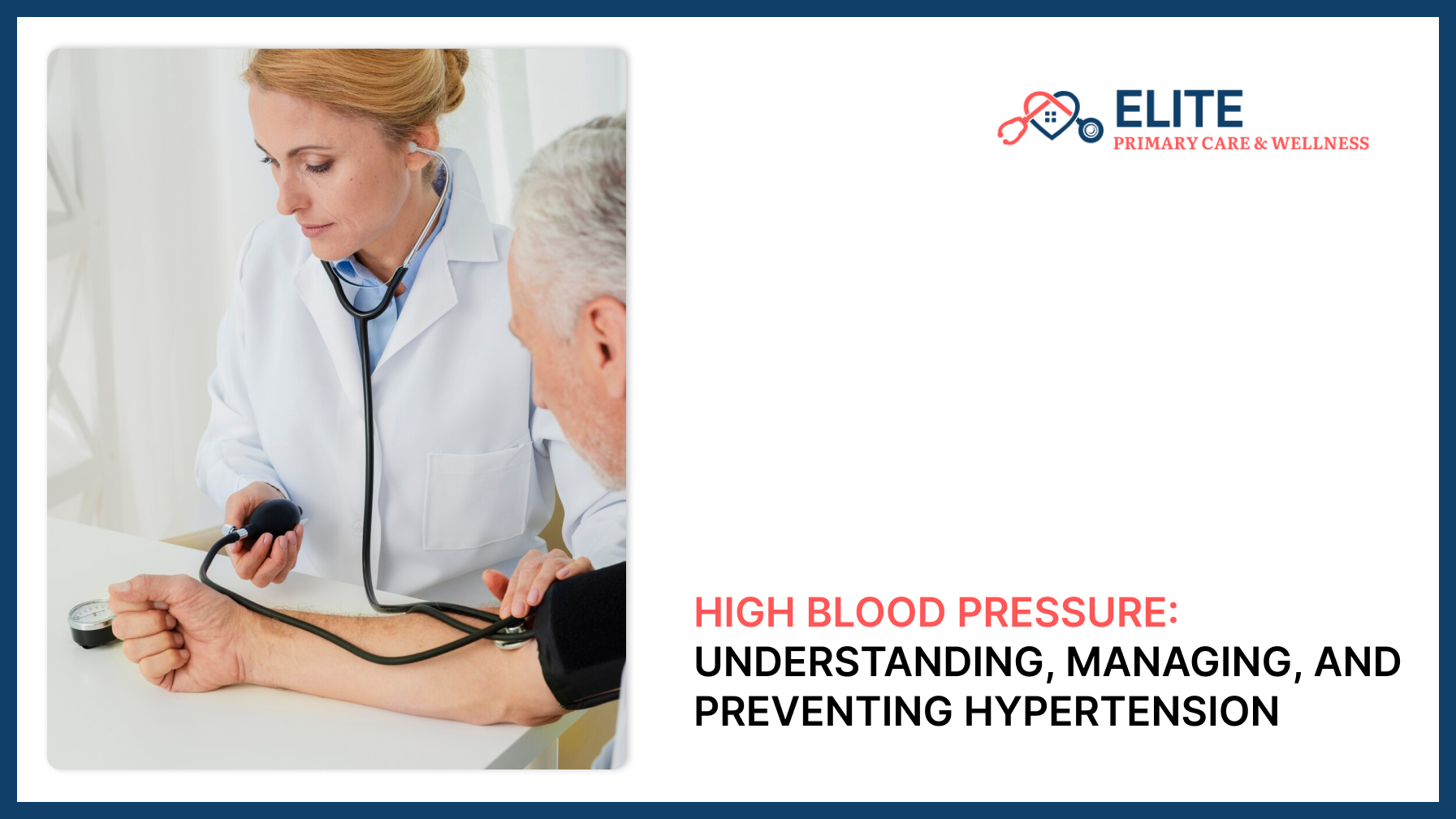
High blood pressure, also known as hypertension, is a common health issue affecting millions of people worldwide. It occurs when the force of your blood against your artery walls remains consistently too high. Over time, untreated hypertension can lead to serious problems like heart disease, stroke, kidney damage, vision loss, and cognitive decline. The good news? By understanding the causes of high blood pressure and adopting effective management strategies, you can protect your heart and overall well-being.
What Causes High Blood Pressure?
High blood pressure doesn’t happen overnight. It typically develops over time and can be influenced by several factors. Here are some of the most common causes and risk factors:
- Weight: Carrying excess weight often leads to higher blood pressure. Obesity can also cause sleep apnea, further raising blood pressure.
- Lack of Physical Activity: A Physically inactive routine increases the risk of hypertension. Regular physical activity helps reduce blood pressure and maintain a healthy heart.
- Unhealthy Diet: A diet rich in sodium, saturated fats, and cholesterol can elevate blood pressure. Not eating enough potassium-rich foods like fruits and vegetables also contributes to high blood pressure.
- Excessive Alcohol: Drinking too much alcohol can increase blood pressure and cause weight gain due to added calories.
- Smoking: Cigarette smoking is a major contributor to high blood pressure and significantly raises the risk of heart attack and stroke.
- Stress: Chronic stress can cause your blood pressure to spike and keep it elevated over time.
- Genetics: If your family has a history of high blood pressure, you’re more likely to develop it.
- Age: Blood pressure naturally increases with age.
- Underlying Health Conditions: Certain medical conditions like kidney disease, diabetes, and hormone imbalances can contribute to hypertension.
10 Simple Ways to Manage High Blood Pressure
While some causes of high blood pressure are beyond your control, there are many lifestyle changes you can make to reduce your blood pressure and improve your overall health. Here are 10 effective strategies to manage high blood pressure:
- Lose Excess Weight: Shedding even a small amount of weight can make a noticeable difference in lowering your blood pressure. For every kilogram (about 2.2 pounds) of weight lost, blood pressure may drop by 1 mm Hg.
- Get Active with Regular Exercise: Aim for at least 30 minutes of moderate exercise daily, such as walking, cycling, swimming, or dancing. Regular aerobic activity can lower your blood pressure by 5 to 8 mm Hg.
- Incorporate Strength Training: Strength training exercises can also help lower blood pressure. Try to include at least two days of strength training in your weekly routine.
- Adopt a Heart-Healthy Diet: Follow a diet rich in whole grains, fruits, vegetables, lean proteins, and low-fat dairy (such as the DASH diet). Reduce your intake of saturated fats, sodium, and cholesterol to keep your blood pressure in check.
- Cut Down on Sodium: Too much sodium can raise your blood pressure. Aim to consume less than 1,500 mg of sodium per day. Skip the extra salt and avoid processed foods like canned soups, frozen meals, and take-out.
- Boost Your Potassium Intake: Potassium helps balance out the negative effects of sodium. Include potassium-rich foods such as bananas, sweet potatoes, spinach, and beans to help lower blood pressure.
- Limit Alcohol: Drinking too much alcohol can increase blood pressure. If you drink, do so in moderation — up to one drink per day for women and up to two drinks per day for men.
- Quit Smoking: Smoking harms your blood vessels and raises blood pressure. Quitting smoking will help lower your blood pressure and reduce the risk of heart disease and stroke.
- Manage Stress: Prolonged stress can keep your blood pressure elevated. Practice relaxation techniques such as yoga, deep breathing, meditation, or simply listening to calming music to reduce stress levels.
- Monitor Blood Pressure Regularly: Keeping track of your blood pressure at home can help you stay on top of your health. Regular monitoring allows you to see how well your lifestyle changes or medications are working.
Natural Remedies for Lowering Blood Pressure
In addition to lifestyle changes, several natural remedies may help support healthy blood pressure levels:
- Balance Nutrients: Reduce sodium intake and increase potassium to help regulate blood pressure.
- Probiotics: Research suggests that probiotics, found in foods like yogurt, may help lower blood pressure.
- Aged Garlic Extract: Some studies have shown that aged garlic extract can help reduce blood pressure when used on its own or alongside conventional treatments.
- Berberine: This natural supplement may help lower blood pressure, though more research is needed to confirm its effectiveness.
- Whey Protein: Consuming whey protein has been linked to improved blood pressure and blood vessel function.
- Fish Oil: Rich in omega-3 fatty acids, fish oil has been shown to benefit people with high blood pressure.
- Hibiscus Tea: Drinking hibiscus tea, packed with anthocyanins and polyphenols, may also help lower blood pressure.

Conclusion: Your Heart Deserves the Best
Taking control of your blood pressure is one of the most important steps you can take to protect your health and well-being. The choices you make today — whether it’s getting more active, eating better, or managing stress — have the power to make a real difference in the way you feel and how you live.
You don’t have to wait for a warning sign to start making changes. The sooner you act, the more you can reduce your risk of serious complications like heart disease, stroke, and kidney damage. Small adjustments, like losing a few pounds or cutting back on salt, can lead to big improvements over time.
Don’t let high blood pressure control you. Take charge of your health now and start making heart-smart decisions. Your future self will thank you for the positive changes you make today. It’s time to empower your heart and live the life you deserve.
